Itinerary
Short Itinerary
- Day 1Rishikesh → Govindghat / Pulna
- Day 2Pulna → Ghangaria
- Day 3Ghangaria → Valley of Flowers → Ghangaria
- Day 4Ghangaria → Hemkund Sahib → Ghangaria
- Day 5Ghangaria → Pulna → Joshimath
- Day 6Joshimath → Rishikesh
DAY 1Rishikesh → Govindghat / Pulna
- Early morning departure from Rishikesh / Haridwar (~5:00 AM)
- Drive alongside the Alaknanda River through Devprayag, Rudraprayag and Karnaprayag, three of the sacred Panch Prayag confluences
- Pass through Joshimath and descend to Govindghat / Pulna
- Reach the gateway to both Hemkund Sahib and the Valley of Flowers
DAY 2Pulna → Ghangaria
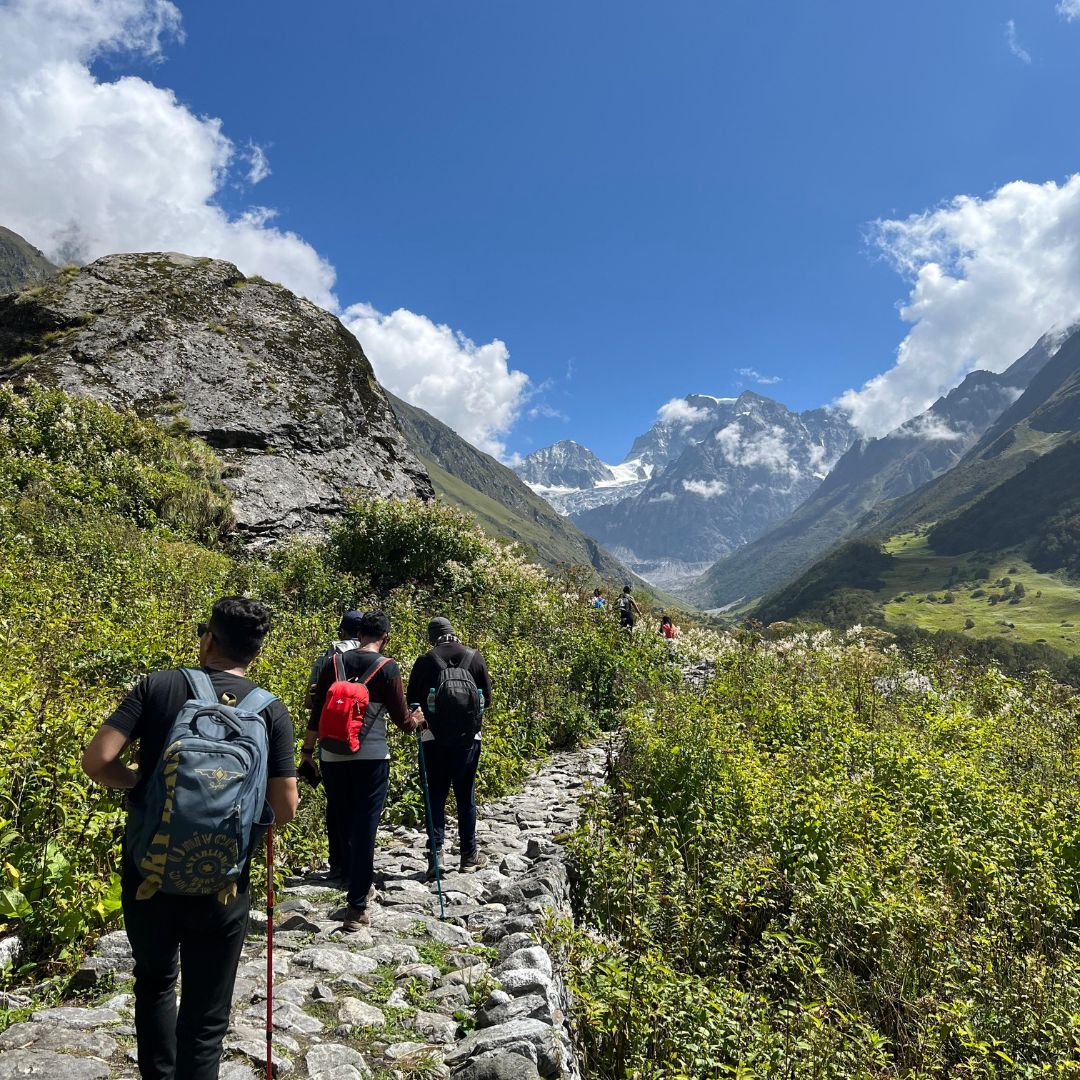
- Trek alongside the Pushpawati and Lakshman Ganga rivers
- Walk through pine and oak forests, past waterfalls and small wooden bridges
- Reach Ghangaria, the last inhabited settlement before Hemkund Sahib and the Valley of Flowers
- Ghangaria is your base for the next two days
DAY 3Ghangaria → Valley of Flowers → Ghangaria
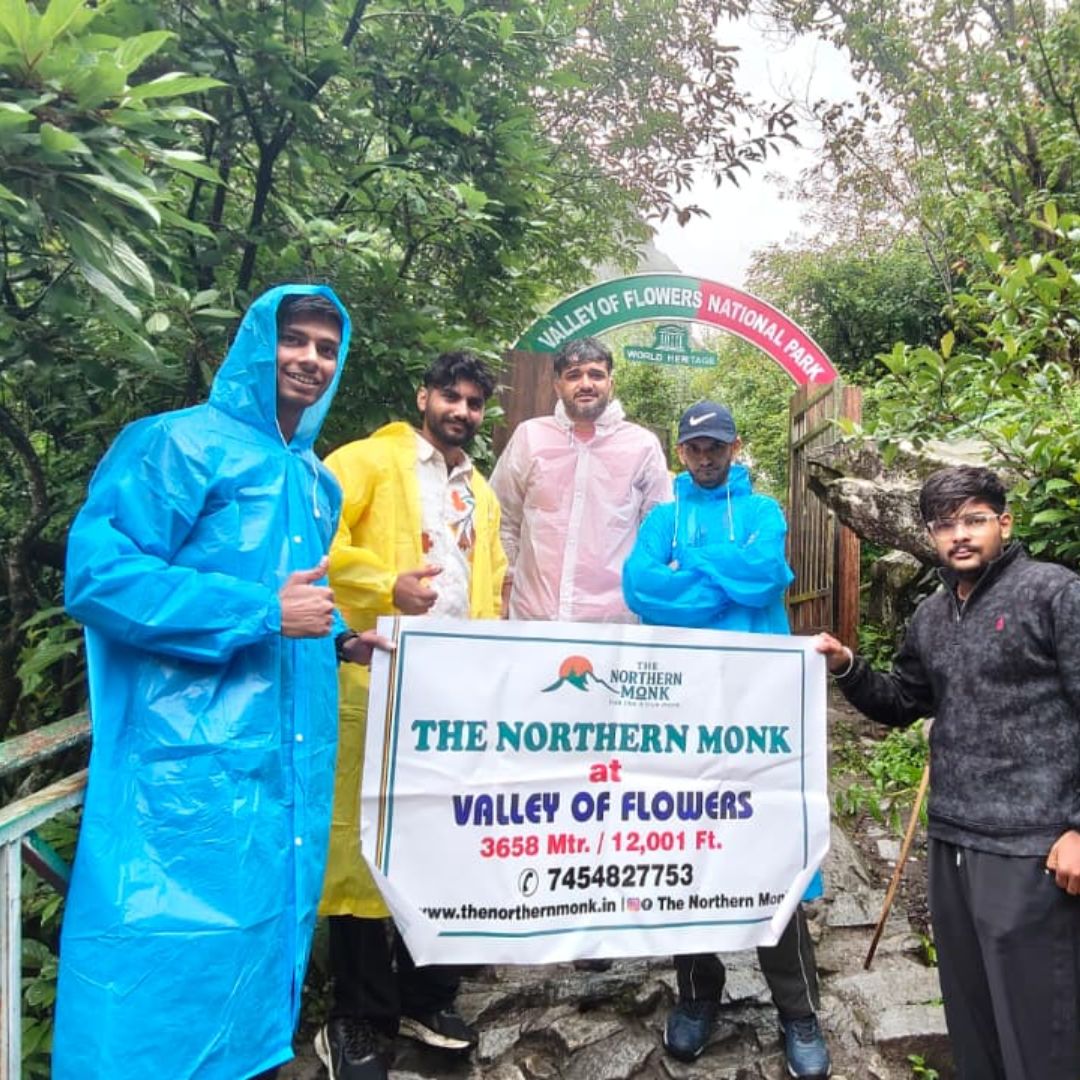
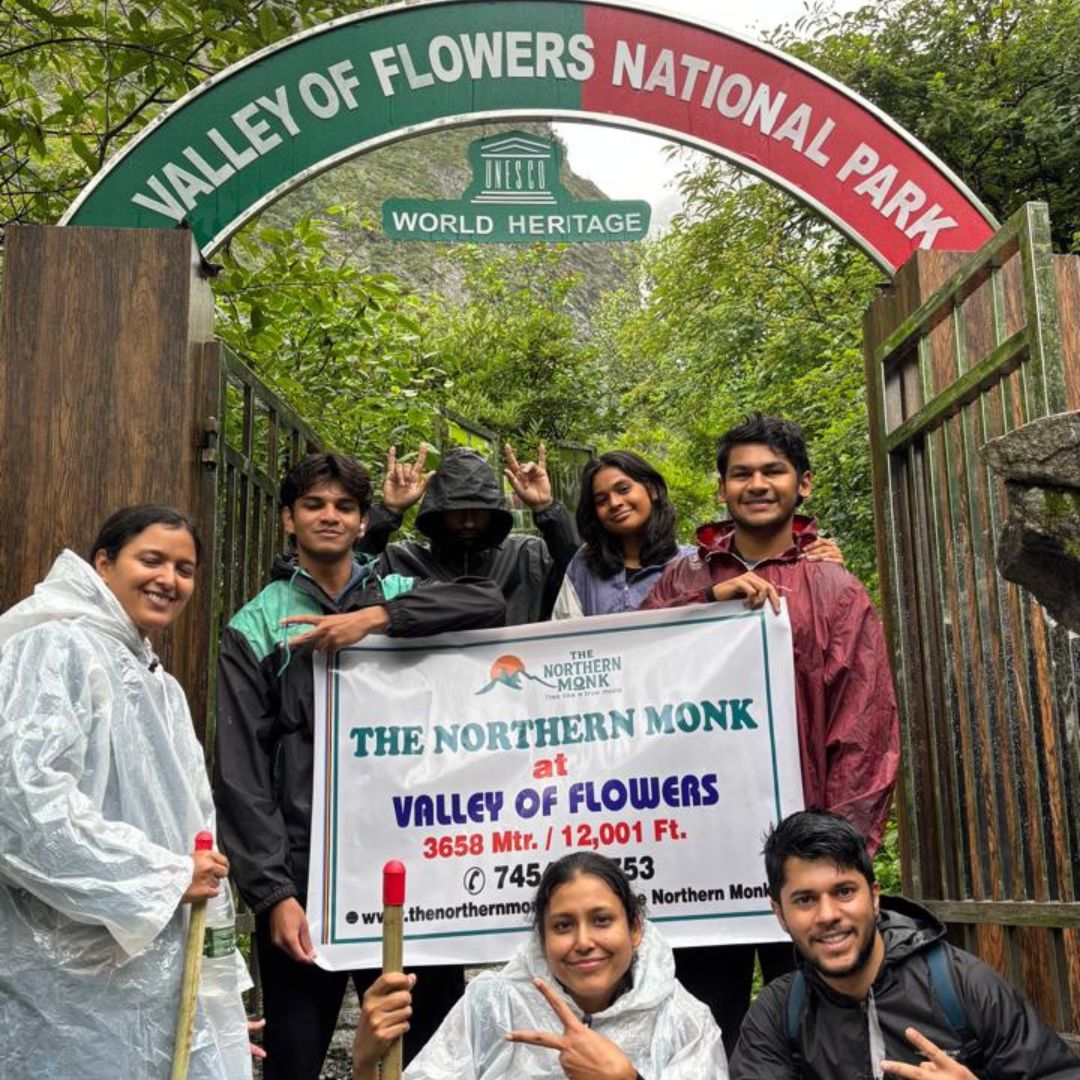
- Enter the Valley of Flowers National Park early in the morning
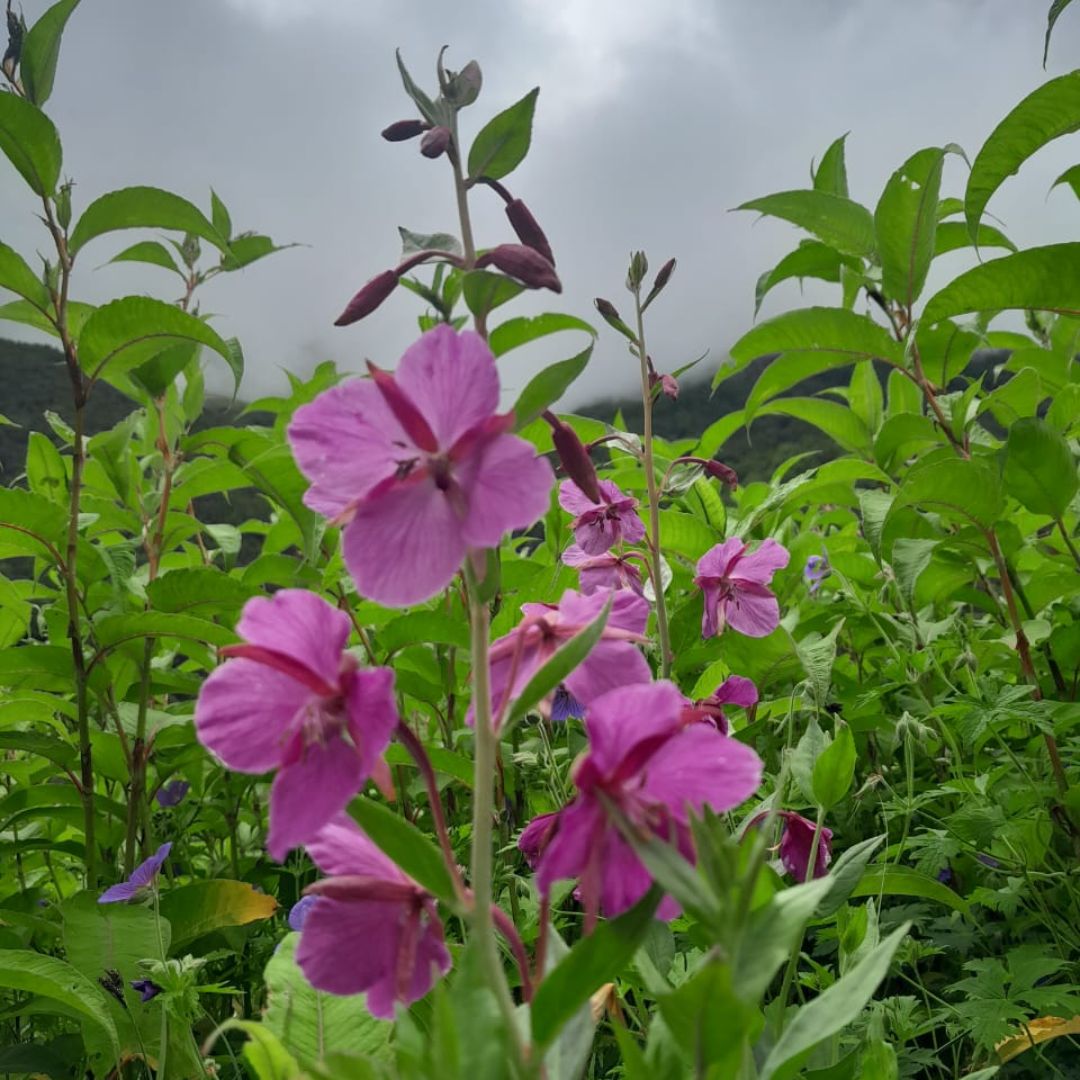
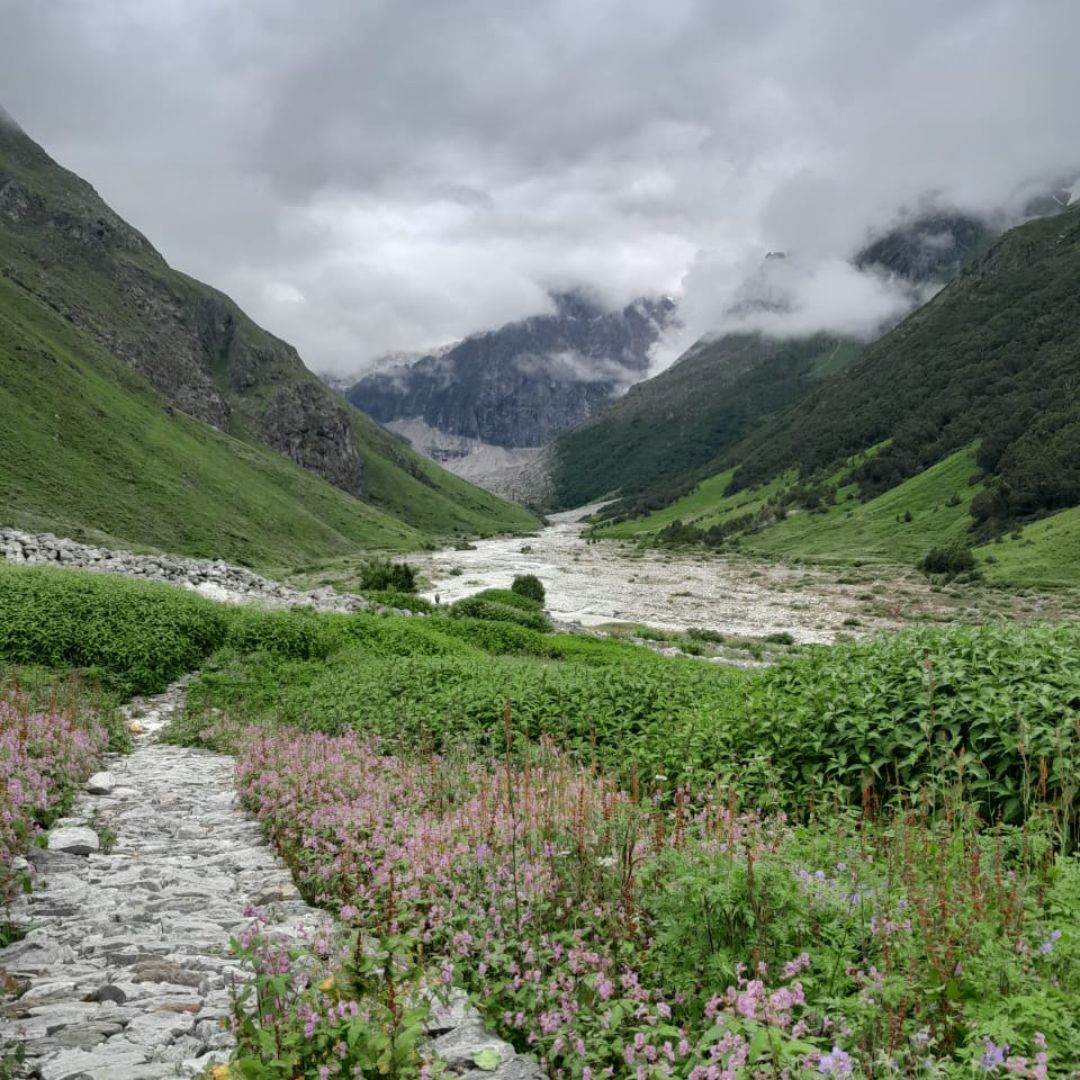
- Walk through meadows blooming with Brahma Kamal, Blue Poppy, Cobra Lily and hundreds of other Himalayan flowers
- Best bloom is typically late July to early September
- See peaks like Rataban and Nilgiri Parbat, with the Pushpawati river cutting through the valley
- Return to Ghangaria by evening
DAY 4Ghangaria → Hemkund Sahib → Ghangaria
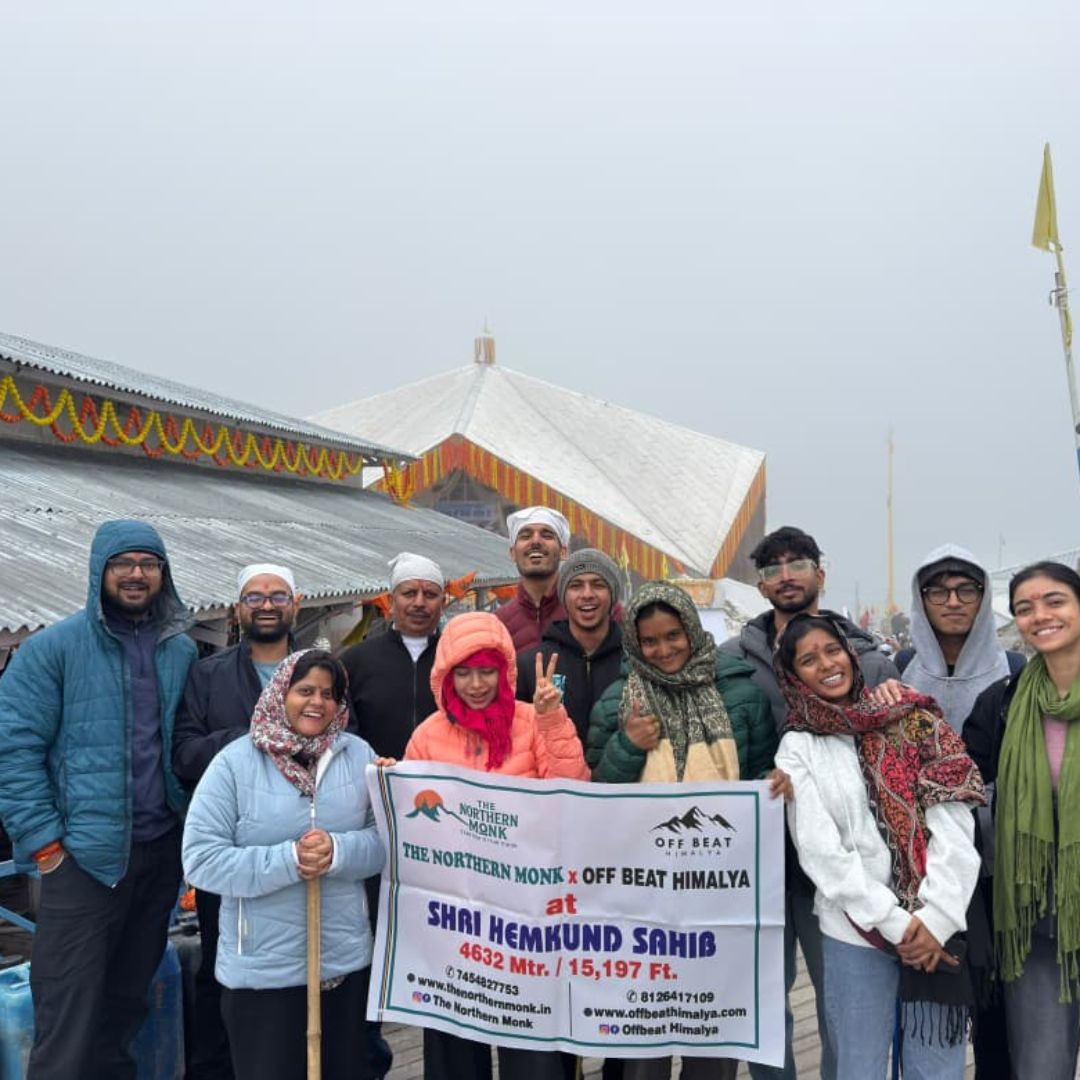
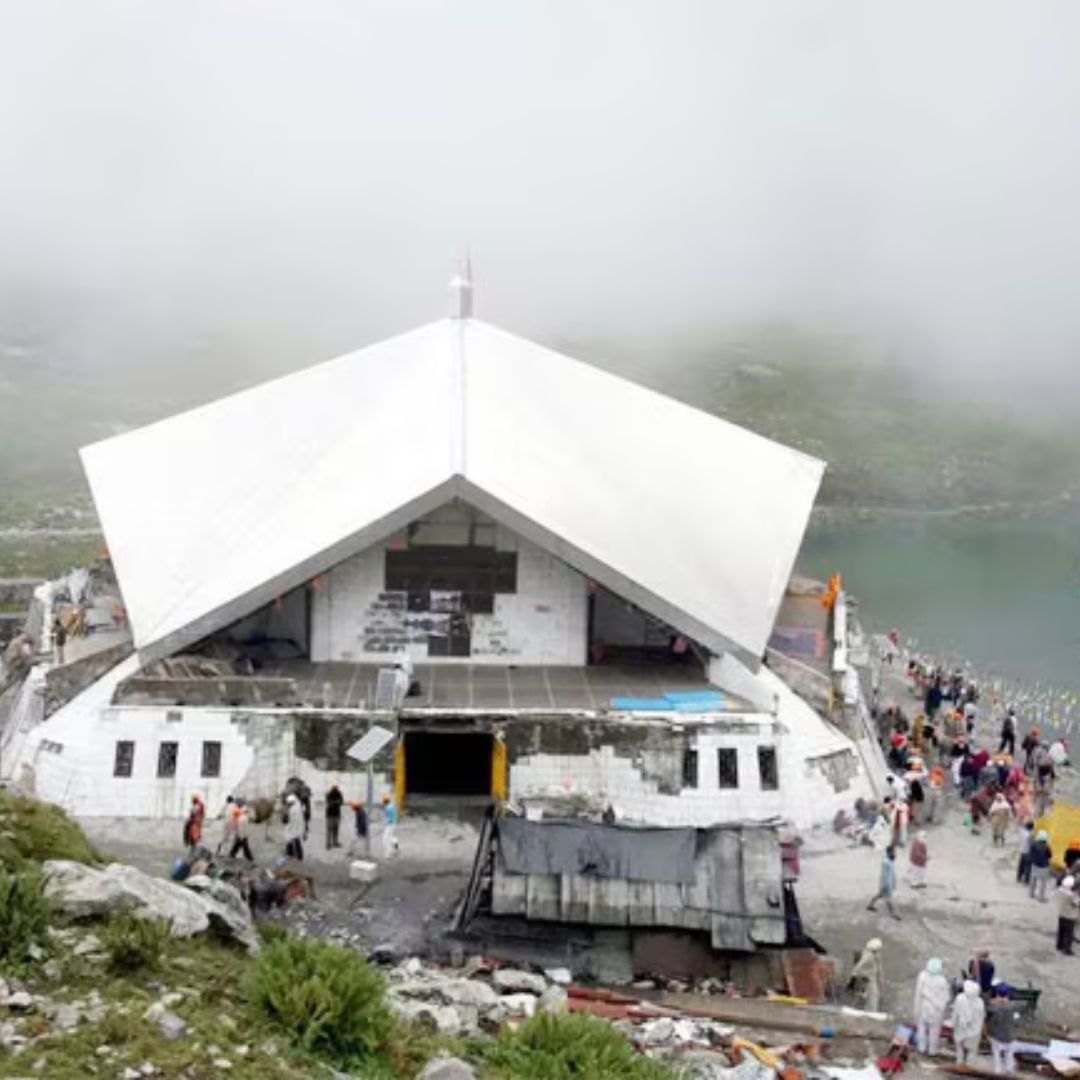
- A steep but rewarding climb to Hemkund Sahib, one of the highest Gurudwaras in the world
- Visit the shrine beside the glacial Hemkund Lake, ringed by seven snow-clad peaks
- Spend time at a place of deep spiritual significance and natural beauty
- Descend back to Ghangaria by evening
DAY 5Ghangaria → Pulna → Joshimath
- Descend through the forest trail to Pulna, retracing the river valley
- Drive from Pulna to Joshimath
- Optional evening stroll to Narsingh Temple and Shankaracharya Math
DAY 6Joshimath → Rishikesh
- Final drive back through the scenic river valleys of Garhwal
- Optional stops at local dhabas and viewpoints
- Arrive in Rishikesh by evening
Know Before You Go
Inclusion & Exclusion
What's Included
- Accommodation during the trip
- Meals as mentioned in the itinerary
- Transportation from Rishikesh/Haridwar to Rishikesh/Haridwar
- Experienced trek guide and support staff
- Basic first aid and assistance during the journey
What's Excluded
- Personal expenses
- Pony / palki charges
- Entry fees at monuments or attractions
- Travel insurance
- Anything not mentioned in the itinerary
Safety & Emergency Protocols
- Experienced trek leaders and local guides
- Basic first aid kit carried by the team
- Regular weather and route monitoring
- Proper acclimatization and rest stops
- Assistance for medical emergencies if required
- Emergency contact coordination with local authorities
Essential Gear Checklist
- Comfortable trekking shoes
- Warm jackets and thermal layers
- Raincoat or poncho
- Backpack (30–40L)
- Reusable water bottle
- Sunglasses, cap, sunscreen
- Personal medications and toiletries
- Trekking pole (optional but helpful)
Permits & Documents
An entry permit for the Valley of Flowers National Park is included in your package. Carry a valid photo ID for verification at the entry point.
- Indian nationals: Aadhar card (original + photocopy)
- International tourists: Passport and visa copy
- All trekkers: Medical certificate signed by a registered MBBS doctor, 2 passport-sized photographs and a signed NOC form
Best Time to Trek
JunePark opens
The national park opens for the season in June.
Peak bloomLate Jul – early SepMonsoon
Best time for flowers. Unlike most Himalayan treks, this one is best done in the monsoon.
Sep – OctLate season
The park stays open until October.
Nov – MayClosed
The park is open only from June to October.
Getting There
Pickup
Rishikesh or Haridwar at ~5:00 AM on Day 1, then a ~295 km drive to Govindghat / Pulna.
Trailhead
Pulna. The 9 km trek to Ghangaria starts here on Day 2.
Drop
Rishikesh by evening on Day 6 after the drive from Joshimath.
Fitness & Preparation
- Suitable for first-time trekkers. Basic fitness is enough, and you should be able to brisk walk 5 km in 40 minutes.
- Know the harder day. The Hemkund Sahib climb on Day 4 is steep and is the more strenuous of the two main days.
- Build stamina. Walk briskly for 30–40 minutes a day for 3–4 weeks before the trek.
- Pack for rain. The best bloom is in the monsoon, so carry a raincoat or poncho and warm layers.
Frequently Asked Questions
Q1. Is the Valley of Flowers Trek suitable for beginners?
Yes. It is an easy to moderate trek, well suited to first-time trekkers with basic fitness. You should be able to brisk walk 5 km in 40 minutes. The Hemkund Sahib day is the more strenuous of the two.
Q2. What is the best time to do the Valley of Flowers Trek?
The Valley of Flowers National Park is open only from June to October each year. The best time to see peak bloom is late July to early September, during the monsoon. Unlike most Himalayan treks, this one is best done in the monsoon.
Q3. Do I need a permit for the Valley of Flowers?
Yes, an entry permit is required for the Valley of Flowers National Park, and it is included in your trek package. Carry a valid photo ID for verification at the entry point.
Q4. What documents are required for the trek?
Indian nationals need an Aadhar card (original + photocopy). International tourists need a passport and visa copy. All trekkers need a medical certificate signed by a registered MBBS doctor, 2 passport-sized photographs and a signed NOC form.
Q5. Is the trek safe for solo women travellers?
Yes. Room or tent accommodation is provided on a sharing basis with other women trekkers. If a woman is the only one in the group, single occupancy accommodation is provided at no extra cost.